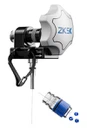
In the realm of gastrointestinal (GI) medicine, innovations continually shape the landscape of treatment options, improving patient outcomes and enhancing procedural efficiency. Among these advancements, the multi-band ligator stands out as a transformative tool in the management of various GI conditions. This article delves into the significance, functionality, and benefits of the multi-band ligator in modern medical practice.
The Multi-Band Ligator: A Breakthrough in Gastrointestinal Care
The multi-band ligator represents a significant advancement in endoscopic therapy, particularly for conditions such as hemorrhoids, esophageal varices, and other gastrointestinal bleeding disorders. This device is designed to effectively and efficiently ligate (tie off) abnormal blood vessels or tissues within the GI tract, thereby addressing bleeding, reducing the risk of complications, and promoting healing.
What's the Functionality and Mechanism of Action?
At its core, the multi-band ligator operates on a simple yet ingenious principle. It consists of a flexible endoscope equipped with a specialized ligating device at its distal end. This device features multiple small rubber bands arranged in a ring-like configuration, which can be deployed precisely to target specific areas of pathology within the GI tract.
During a procedure, the clinician navigates the endoscope to the site of interest, whether it be hemorrhoids, esophageal varices, or another lesion causing bleeding. Once positioned, the ligator is deployed, and the rubber bands are released, encircling the target tissue. Over time, these bands constrict the blood supply to the abnormal tissue, causing it to necrose (die off) and eventually slough off, leading to resolution of the pathology.
How does it work in different applications?
1. Applications in Hemorrhoid Treatment
Hemorrhoids, a common condition characterized by swollen and inflamed blood vessels in the rectal and anal area, can cause significant discomfort and bleeding. Traditional treatment options include topical medications, dietary modifications, and surgical procedures. However, the multi-band ligator offers a minimally invasive alternative that is both highly effective and well-tolerated by patients.
By precisely targeting and ligating the engorged blood vessels associated with hemorrhoids, the multi-band ligator can effectively reduce their size and alleviate symptoms such as pain, itching, and bleeding. Moreover, this approach boasts minimal discomfort and rapid recovery, making it an attractive option for patients seeking relief from hemorrhoidal symptoms.
2. Management of Esophageal Varices
Esophageal varices, dilated veins in the lower esophagus often associated with liver cirrhosis, pose a significant risk of life-threatening bleeding episodes. Timely intervention is crucial in preventing complications and improving patient outcomes. In this context, the multi-band ligator has emerged as a valuable tool in the endoscopic management of esophageal varices.
By deploying rubber bands around the base of esophageal varices, the multi-band ligator effectively induces hemostasis and reduces the risk of variceal hemorrhage. This approach, known as endoscopic band ligation (EBL), has been shown to be highly effective in controlling acute bleeding episodes and preventing variceal rebleeding, thereby improving survival rates and quality of life for patients with liver cirrhosis.
What's the Advantages of the Multi-Band Ligator?
The multi-band ligator offers several advantages over traditional treatment modalities, underscoring its growing significance in the field of GI medicine. Some key benefits include:
1. Minimally Invasive: The procedure is performed endoscopically, requiring no incisions or sutures, which minimizes patient discomfort and promotes rapid recovery.
2. Precision and Control: The clinician has precise control over the deployment of rubber bands, allowing for targeted treatment of specific lesions while minimizing damage to surrounding tissue.
3. High Efficacy: Clinical studies have demonstrated the efficacy of the multi-band ligator in achieving hemostasis and promoting tissue healing, with high rates of success in both hemorrhoid treatment and variceal ligation.
4. Cost-Effective: Compared to surgical interventions, the multi-band ligator offers a cost-effective alternative with comparable or superior outcomes, making it accessible to a broader range of patients.