Introduction: The implantation of a percutaneous endoscopic gastrostomy (PEG) or percutaneous endoscopic jejunostomy (PEJ) feeding tube can have a substantial influence on the quality of life of those who struggle to eat because of medical issues. For some who are unable to swallow enough food, these tubes are lifesavers.
What's Indications for PEG and PEJ Tube Placement?
PEG and PEJ tubes are recommended for individuals who have difficulty swallowing or are unable to meet their nutritional needs orally due to various medical conditions. Some common indications include:
1. Dysphagia (difficulty swallowing) caused by neurological conditions like stroke or Parkinson's disease.
2. Head and neck cancers or surgeries that affect the ability to chew and swallow.
3. Severe gastrointestinal disorders such as gastroparesis or malabsorption syndromes.
4. Palliative care for patients with advanced illnesses who cannot eat orally.
What's Procedure Preparation?
To guarantee safety and effectiveness, patients go through a comprehensive preparation process prior to the PEG or PEJ tube installation procedure. Usually, there are numerous steps involved in this preparation:
* Meeting with a trained dietician: A trained dietician assesses the patient's dietary needs, nutritional state, and strategy for tube feeding. They offer instruction on controlling feedings, choosing formula, and tube feeding procedures.
* Medication Review: Patients taking certain drugs, particularly those that alter blood clotting or blood sugar levels, may need to modify their dosage or cease taking them temporarily. It's critical to adhere to the medication management guidelines given by the medical team.
* Authorization for Particular Situations: In order to guarantee safety, patients who have certain medical devices, such as automated implantable cardioverter-defibrillators (AICDs), must get authorization from their cardiologist prior to the surgery.
* Plans for Transportation and Support from Caregivers: Patients need to make plans for a responsible caregiver to go with them to the procedure and help out afterwards. It is best to arrange transportation in advance.
What's Procedure Details?
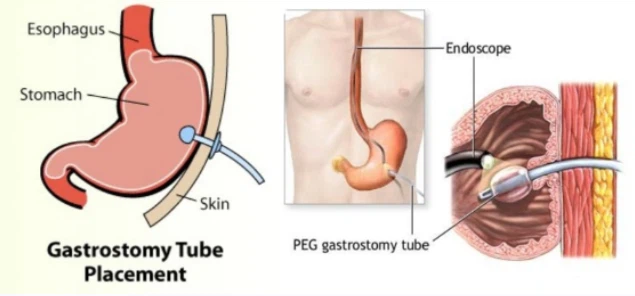
The placement of a PEG or PEJ tube is performed by a gastroenterologist or interventional endoscopist using endoscopic guidance. Here's what patients can expect during the procedure:
a. Anesthesia Administration: Patients receive sedation or general anesthesia to ensure comfort and minimize discomfort during the procedure. The anesthesia is typically delivered through an intravenous (IV) line.
b. Endoscopic Insertion: The gastroenterologist inserts an endoscope (a flexible tube with a camera) through the mouth and into the stomach (for PEG) or small intestine (for PEJ). The endoscope allows visualization of the internal organs and precise placement of the feeding tube.
c. Incision and Tube Placement: Once the endoscope is in position, a small incision is made on the abdominal wall at the designated site. The gastroenterologist inserts the PEG or PEJ tube through the incision and into the stomach or jejunum.
d. Securing the Tube: After placement, the external portion of the tube is secured to the abdominal wall using a bumper or retention device to prevent displacement.
e. Confirmation and Testing: The correct placement of the tube is confirmed using imaging techniques such as fluoroscopy or abdominal X-rays. Functional testing may also be performed to ensure proper drainage and functioning of the tube.

What's Post-Procedural Care?
Following PEG or PEJ tube placement, patients receive comprehensive care and instructions to promote healing and successful tube feeding. Key components of post-procedural care include:
1. Recovery Monitoring: Patients are closely monitored in the recovery area to assess vital signs, pain levels, and any immediate post-procedure complications.
2. Education and Training: A nutrition nurse practitioner or healthcare provider provides extensive education and training on tube feeding techniques, tube care, and troubleshooting common issues.
3. Home Care Supplies: Gauze, tape, cleaning agents, feeding apparatus, and other items required for tube care are given to patients. There are comprehensive guidelines on how to change clothes and maintain good hygiene.
4. Nutritional Support: To create customized feeding regimens, choose the best enteral formulas, and keep an eye on nutritional intake and tolerance, a licensed dietitian works closely with patients.
5. Follow-Up Care: To monitor tube function, evaluate nutritional status, and address any concerns or issues, patients make follow-up sessions with their healthcare team.