The endoscopic removal of polyps, which is normally called polypectomy, is a cornerstone in colorectal cancer prevention. However, the resection of large pedunculated polyps presents unique challenges, primarily due to the risk of significant post-polypectomy bleeding (PPB). This risk is heightened in polyps exceeding 20 mm in size or those with thick stalks containing substantial blood vessels.
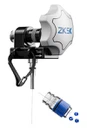
One effective solution for reducing PPB hazards is the Endoloop, a detachable nylon snare. When wrapped around the stalk of the polyp, it functions as a tourniquet, efficiently compressing blood vessels to lessen bleeding both during and after removal. When dealing with huge pedunculated polyps, where conventional treatments might not be effective, this procedure is especially helpful.

Clinical Insights and Outcomes
The effectiveness of the Endoloop was shown in a case study involving a male patient, age 58, who had a 2.5 cm pedunculated polyp in the rectosigmoid area. The device was successfully placed around the stalk of the polyp, and there were no bleeding issues after removal. The accuracy of the procedure was highlighted by histopathological investigation, which verified a tubulovillous adenoma with distinct margins.
Advantages of Endoloop-Assisted Polypectomy
Hemostatic Control: Provides effective bleeding control, crucial for patient safety.
Minimally Invasive: Reduces the need for surgical intervention, leading to quicker recovery times.
Cost-Effective: Potentially lowers healthcare costs by minimizing complications and hospital stays.
Best Practices for Deployment
Ensure the Endoloop is positioned a few millimeters above the polyp head to allow for safe resection.
Tighten the loop securely to compress the stalk's vessels effectively.
After resection, confirm the loop remains in place to maintain hemostasis.
An important development in the endoscopic treatment of big pedunculated polyps is endoloop-assisted polypectomy. In comparison to more invasive surgical procedures, it provides a dependable option by improving safety and lowering complications. The use of tools like the Endoloop will be essential to improving patient outcomes as endoscopic procedures develop further.