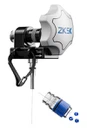
Cemented arthroplasty procedures, including total knee and hip replacements, have long been regarded as safe and effective solutions for patients suffering from joint-related conditions such as osteoarthritis. However, achieving optimal outcomes in these procedures requires meticulous attention to detail, particularly in bone preparation prior to cementation. High-pressure pulsatile saline lavage has emerged as a critical step in this process, facilitating thorough cleaning of cancellous bone surfaces to ensure proper cement penetration and implant fixation.

1. The Importance of Bone Preparation:
The success of cemented joint arthroplasty hinges on the establishment of a strong bond between the bone and cement, which ultimately determines the stability and longevity of the implant. Achieving this requires meticulous bone preparation to remove debris, blood, and contaminants from the cancellous bone surface. High-pressure pulsatile saline lavage has become the cornerstone of this process, as it effectively cleanses the bone matrix, promoting optimal cement penetration and interdigitation.
2. The Study:
A systematic review and meta-analysis published in Endosc Int Open (2019) shed light on the physical parameters that define pulsatile lavage systems and their impact on bone preparation. The study compared three different lavage systems, including two battery-powered devices and one vacuum-driven system. Through standardized laboratory testing using fat-filled carbon foam specimens representing human cancellous bone, the researchers evaluated parameters such as impact pressure, flow rate, and frequency, as well as the cleaning effect on cancellous bone surfaces.
3. Key Findings:
The study revealed significant differences among the tested lavage systems in terms of their cleaning effectiveness and physical parameters. While all systems achieved a cleaning depth of at least 3.0 mm, one system stood out for its superior performance. This system demonstrated a combination of high impact pressure, flow rate, and distance to the flushed object, resulting in more efficient bone cleaning and potentially deeper cement penetration. These findings underscore the importance of selecting the right pulse lavage system to optimize bone preparation in cemented arthroplasty procedures.
4. Disposable Pulse Lavage Systems:
Disposable pulse lavage systems offer several advantages in the context of cemented arthroplasty. Unlike reusable systems, which require cleaning and sterilization between uses, disposable devices eliminate the risk of cross-contamination and reduce the burden on surgical staff. Additionally, disposable systems typically come pre-sterilized and ready for immediate use, streamlining the surgical workflow and minimizing setup time. These factors contribute to enhanced surgical efficiency and reduce the likelihood of surgical site infections, ultimately benefiting patient outcomes.
5. Maximizing Efficiency and Safety:
By leveraging disposable pulse lavage systems, orthopedic surgeons can maximize efficiency and safety in cemented arthroplasty procedures. These innovative devices provide consistent performance and reliable bone cleaning capabilities, ensuring optimal cement penetration and implant fixation. Furthermore, the convenience and ease of use associated with disposable systems empower surgical teams to focus on delivering high-quality patient care without compromising on infection control or procedural efficiency.
6. Clinical Implications:
Orthopedic surgeons who undertake cemented arthroplasty surgeries will discover great clinical significance in the study's results. Surgeons can choose pulse lavage systems that best suit their practice by being aware of the important physical factors that affect bone preparation and cementation. Disposable devices are a useful tool in the armory of contemporary orthopedic surgery because of their inherent advantages in terms of sterility, convenience, and performance, represent a valuable tool in the armamentarium of modern orthopedic surgery.