Obesity is a chronic, relapsing, multifactorial disease, which defined by excess body fat accumulation that impairs health.
The World Health Organization (WHO) classifies obesity based on Body Mass Index (BMI):
Overweight: BMI ≥25
Obesity: BMI ≥30
Obesity is associated with a wide range of complications, including type 2 diabetes, cardiovascular disease, sleep apnea, osteoarthritis, and even certain cancers. As the global obesity rate rises, effective and sustainable treatment strategies are in greater demand.
Then how to loss weight today?
In modern clinical practice, weight loss interventions fall into four primary categories, each with specific strengths and limitations:
1. Lifestyle Intervention (Diet, Exercise, Behavior)

✅ Pros
* Non-invasive and foundational for all weight loss efforts
* Improves overall health, not just weight
* Tailored and sustainable when well supported
⚠️ Cons
* Results are often slow and variable
* High dropout and rebound rate without continuous support
* Requires strong patient motivation and long-term follow-up
2. Pharmacological Therapy

By using drugs, such as GLP-1 receptor agonists – Semaglutide, Liraglutide)
✅ Pros
* Demonstrated weight loss of 10–15% in 6–12 months
* Beneficial for patients with metabolic syndrome or diabetes
* Non-invasive, widely studied
⚠️ Cons
* High cost, limited accessibility in some regions
* Gastrointestinal side effects common (nausea, diarrhea)
* Requires ongoing administration to maintain weight loss
3. Endoscopic Interventions

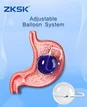
ZKSK Intragastric balloon
The main method include Intragastric Balloon, Endoscopic Sleeve Gastroplasty.
✅ Pros
* Minimally invasive, no incisions
* Reversible (IGB), shorter recovery compared to surgery
* Bridge option for patients not ready for bariatric surgery
⚠️ Cons
* Weight loss \~10–15%, often requires adjunct therapy
* Temporary (balloons typically removed after 6 months)
* May cause nausea, bloating, or discomfort during initial days
* Requires follow-up and multidisciplinary care
4. Bariatric Surgery

For example, Gastric Bypass, Sleeve Gastrectomy.
✅ Pros
* Most effective option for long-term and significant weight loss (>25%)
* Durable improvement in metabolic diseases (e.g., T2DM remission)
* May reduce long-term mortality in morbid obesity
⚠️ Cons
* Invasive, higher risk of complications
* Requires hospital stay, lifelong nutritional monitoring
* Not all patients are eligible due to medical or psychological contraindications
Where is the future headed?
The trend is shifting toward multi-modal strategies combined as following:
* Minimally invasive tools
* Pharmacotherapy
* Digital coaching and remote monitoring
* Patient-centric care pathways

Among these, intragastric balloon (IGB) is gaining traction as a bridging therapy-offering clinically meaningful results, low invasiveness, and early access for patients reluctant to undergo surgery.