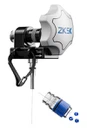
In gastroenterology, bleeding in the stomach, especially from esophageal varices, is a serious disorder. In order to assure efficient therapy, managing such instances calls for both clinical skill and accurate technologies. A key component of endoscopic therapy, the multi-band ligator is an example of how medical technology may make difficult procedures easier and even save lives.
The Evolution of Endoscopic Band Ligation
Endoscopic band ligation (EBL) emerged in the 1980s as an alternative to endoscopic injection sclerotherapy (EIS). While EIS was effective, it came with significant risks, including ulceration and perforation. Band ligation addressed these concerns by providing a safer, faster, and more reliable method to control variceal bleeding.
The multi-band ligator is an evolution of early single-band devices. Traditional devices required frequent reloading and extensive manual dexterity, slowing procedures during critical moments. Modern multi-band ligators come preloaded with multiple bands, enabling sequential deployment without removing the endoscope. This advancement has streamlined the procedure, allowing for the treatment of multiple varices in a single session.
How Does a Multi-Band Ligator Work?
At its core, the multi-band ligator consists of a transparent barrel attached to the tip of the endoscope. This barrel holds several preloaded elastic bands. A control handle, operated by the endoscopist, releases these bands sequentially.
When deployed, each band compresses the base of the varix or targeted tissue, cutting off blood supply. Over time, the banded tissue undergoes necrosis and sloughs off, leaving behind a scar that reduces the risk of future bleeding.
Clinical Applications
1. Esophageal Varices: The most common application of multi-band ligators is in the treatment of esophageal varices, a complication of portal hypertension. Studies have shown that band ligation is superior to EIS in preventing rebleeding and reducing mortality.
2. Gastric Varices: While technically more challenging, multi-band ligators can be used in selected cases of gastric varices, often combined with other interventions like cyanoacrylate injection.
3. Hemorrhoidal Disease: In non-variceal conditions, such as symptomatic hemorrhoids, multi-band ligators provide a minimally invasive alternative to surgery, especially for Grade II and III hemorrhoids.
4. Polyps and Lesions: In some advanced centers, ligators are being explored for resecting polyps and treating non-variceal lesions.
Procedural Advantages
The multi-band ligator offers several benefits over alternative techniques:
- Efficiency: Multiple bands can be deployed in one insertion, saving valuable time.
- Precision: The transparent barrel and endoscopic view ensure accurate targeting.
- Reduced Risk: Compared to older methods like sclerotherapy, band ligation has a lower complication rate.
- Minimally Invasive: Patients experience less discomfort and quicker recovery times compared to surgical interventions.
Challenges and Limitations
Despite its advantages, the multi-band ligator has limitations:
- Technical Skill Required: Accurate deployment depends on the operator's expertise, particularly in challenging anatomy like gastric varices.
- Band Slippage: Rarely, bands may dislodge prematurely, necessitating additional procedures.
- Accessibility: In resource-limited settings, the cost and availability of these devices may restrict their use.
Innovations on the Horizon
The field of endoscopic therapy is dynamic, and innovations continue to enhance the functionality of multi-band ligators:
1. Enhanced Visibility: Devices with improved barrel designs and integrated cameras are under development to optimize targeting.
2. Automated Deployment: Future devices may include automated systems to improve precision and reduce operator fatigue.
3. Hybrid Techniques: Combining band ligation with other modalities like endoscopic ultrasound (EUS) opens new avenues for treating complex cases.
A Case for Wider Adoption
Consider the global burden of liver disease and associated complications like variceal bleeding. Multi-band ligators play a vital role in improving patient outcomes, particularly in high-risk populations. They are indispensable in both emergency settings, such as acute variceal hemorrhage, and elective procedures for variceal eradication.