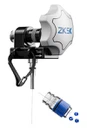
In joint replacement surgery, pulse lavage system has almost become the standard tool for debridement and irrigation. It's because the efficient flushing ability significantly reduces the risk of surgical site infections (SSI) and improves surgical outcomes. However, the difference in using pulse lavage primarily lies in the type of equipment - reusable devices and disposable devices, both of which show significant differences in surgical results, operation time, and postoperative infection rates.
The Role and Effectiveness of Pulse Lavage
Pulse lavage systems use high-pressure water flow to remove blood, bone debris, and soft tissue fragments from the surgical site, which not only reducing bacterial load but also protecting healthy tissue and providing a clean environment for stable implantation of the prosthetic joint.
If without pulse lavage systems, traditional debridement methods (such as manual irrigation) often fail to achieve the same level of cleanliness, leaving behind debris and bacteria that increase the risk of postoperative infections and may lead to delayed healing or even surgical failure.
Disposable vs. Reusable Pulse Lavage Systems
1. Infection Control
- Reusable Devices: Even with strict cleaning and sterilization, trace amounts of biofilm or contaminants may remain inside the equipment, posing potential risks for postoperative infections.
- Disposable Devices: Each device is used fresh, completely eliminating the possibility of cross-contamination and significantly reducing the risk of postoperative infections.
2. Surgical Time
- Reusable Devices: After surgery, the equipment needs to be cleaned and sterilized, resulting in longer turnaround times between surgeries.
- Disposable Devices: No cleaning or sterilization is required, saving time on equipment management and increasing surgical room efficiency, especially in high-volume hospitals that require quick turnover.

3. Stability of Irrigation Effectiveness
- Reusable Devices: Due to prolonged use and multiple sterilizations, the performance of the device may gradually decrease, resulting in unstable irrigation pressure and affecting cleaning efficacy.
- Disposable Devices: Each use maintains the best performance designed for the device, providing consistently stable high-pressure irrigation.

Surgical Case Comparisons
Case 1: No Pulse Lavage vs. Disposable Pulse Lavage
In a hip replacement surgery, patients who did not use a pulse lavage system had a higher postoperative infection rate and slower wound healing. On the other hand, patients who used a disposable pulse lavage system had good postoperative recovery and a significantly lower infection rate.
Case 2: Reusable Devices vs. Disposable Devices
In a group of knee replacement surgeries, patients using reusable devices had a postoperative infection rate of about 5%, with some cases of infection linked to residual contaminants. In contrast, patients using disposable devices had an infection rate of less than 1%, and their average recovery time was reduced by 15%.
Does It Save Surgical Time and Reduce Infection Rates?
Research and practical application have shown:
1. Saves Surgical Time
Disposable pulse lavage devices eliminate the need for post-surgery cleaning and sterilization steps, significantly improving efficiency, especially when multiple surgeries are conducted consecutively.
2. Reduces Postoperative Infection Rates
Disposable devices eliminate the cross-contamination risks associated with reusable devices, maintaining optimal performance with each use, significantly lowering postoperative infection rates and complication occurrences.