Evolution of ERCP Techniques:
Over the years, advancements in endoscopic equipment, imaging technology, and procedural techniques have transformed the landscape of ERCP:
High-Definition Imaging: The introduction of high-definition endoscopes and fluoroscopy systems has significantly enhanced the visualization of the biliary and pancreatic ducts, allowing for clearer and more precise imaging.
Digital Cholangioscopy: Digital cholangioscopy, an emerging technique, enables direct visualization within the bile ducts using a specialized endoscope equipped with a tiny camera. This allows for detailed examination of lesions, strictures, and mucosal abnormalities, facilitating targeted interventions and precise diagnosis.
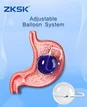
Therapeutic Advancements: Therapeutic interventions during ERCP have also seen notable advancements. Techniques such as endoscopic sphincterotomy, balloon dilation, and stent placement have become more refined, offering safer and more effective treatment options for conditions such as choledocholithiasis and biliary strictures.
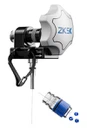
Robot-Assisted ERCP: In recent years, robot-assisted ERCP has emerged as a promising frontier in minimally invasive gastrointestinal procedures. By leveraging robotic technology, clinicians can achieve enhanced precision and maneuverability during complex ERCP procedures, potentially reducing procedural complications and improving patient outcomes.
Expanded Applications:
The continuous evolution of ERCP techniques has broadened its scope of applications in gastroenterology:
Early Detection of Pancreaticobiliary Malignancies: Advanced imaging modalities, such as intraductal ultrasound and cholangioscopy, have improved the detection of early-stage pancreaticobiliary malignancies during ERCP. Early diagnosis facilitates timely intervention and improves prognosis for patients with these challenging conditions.
Management of Complex Biliary Disorders: ERCP plays a crucial role in the management of complex biliary disorders, including primary sclerosing cholangitis (PSC) and benign biliary strictures. Through a combination of endoscopic interventions and stent placement, ERCP helps alleviate biliary obstruction and improve quality of life for patients with these conditions.
Management of Pancreatic Fluid Collections: ERCP-guided drainage procedures have become the cornerstone in the management of pancreatic fluid collections, including pseudocysts and walled-off necrosis. Endoscopic techniques, such as transpapillary drainage and endoscopic necrosectomy, offer minimally invasive alternatives to surgical intervention, reducing morbidity and hospital stay for patients.
Future Directions:
Looking ahead, ongoing research and technological innovations promise further advancements in ERCP:
Enhanced Imaging Modalities: Continued refinement of imaging modalities, including confocal laser endomicroscopy and molecular imaging, holds the potential to improve the diagnostic accuracy of ERCP and enable real-time characterization of pancreaticobiliary lesions.
Precision Medicine Approaches: With the advent of precision medicine, personalized approaches to the management of gastrointestinal disorders are on the horizon. Biomarker-guided therapy and targeted drug delivery systems may revolutionize the treatment landscape for conditions such as pancreatic cancer and autoimmune pancreatitis.
Artificial Intelligence Integration: Integration of artificial intelligence (AI) algorithms into ERCP procedures may enhance procedural efficiency and decision-making. AI-driven image analysis and predictive modeling could aid in lesion detection, procedural planning, and post-procedural surveillance, optimizing patient care.