Addressing Specific Needs:
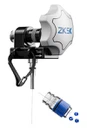
Disposable pulse lavage devices are designed to meet the diverse needs of healthcare professionals and patients alike. With various nozzle configurations, adjustable pressure settings, and ergonomic designs, these devices offer flexibility and customization to suit different wound types, sizes, and locations. Additionally, disposable pulse lavage systems are available in single-patient use kits, ensuring hygiene and reducing the risk of contamination in settings where infection control is paramount.
Streamlining Clinical Workflows:
In addition to their clinical benefits, disposable pulse lavage devices contribute to streamlined workflows and improved efficiency in healthcare settings. Unlike reusable systems, which require cleaning, sterilization, and maintenance between uses, disposable devices can be promptly discarded after each procedure, minimizing downtime and maximizing throughput. This not only benefits patients by reducing waiting times but also optimizes resource utilization and enhances overall operational efficiency for healthcare providers.
Expanding Access to Wound Care:
Disposable pulse lavage devices have the potential to extend the reach of wound care services to underserved populations and remote regions where access to advanced medical equipment may be limited. Their portability, ease of use, and cost-effectiveness make them valuable tools for healthcare providers operating in resource-constrained settings, including mobile clinics, disaster relief efforts, and rural healthcare facilities. By democratizing access to high-quality wound management solutions, disposable pulse lavage devices empower clinicians to deliver essential care to those who need it most, regardless of geographic location or socioeconomic status.
Embracing Sustainability:
While disposable pulse lavage devices offer numerous advantages in terms of infection control, convenience, and cost-effectiveness, there is growing recognition of the importance of sustainability in healthcare. Manufacturers are increasingly incorporating environmentally friendly materials and manufacturing processes into the production of disposable medical devices, minimizing their ecological footprint and promoting responsible stewardship of resources. Furthermore, initiatives focused on recycling and waste management aim to reduce the environmental impact of disposable medical products, ensuring that the benefits of these innovative devices are balanced with a commitment to sustainability.